Why WPC “Maintenance-Free” Claims
Often Cost You More
When planning a tropical outdoor space, the first big decision is the most critical: What material will survive the Philippine sun and rain?
For many, the debate boils down to Solid Wood versus WPC (Wood Plastic Composite). While WPC is often marketed as the “maintenance-free, affordable” alternative, the reality on the ground especially in high-heat areas like Manila or coastal resorts tells a different story.
At FILTRA Timber, we believe in building for the future. Here is a look at the trade-offs you need to know before you sign a contract.
1. The Thermal Reality: Cool to the Touch vs. Heat Sinks
The Philippines is hot. If you have a pool deck or a roof garden, you want to be able to walk on it barefoot.
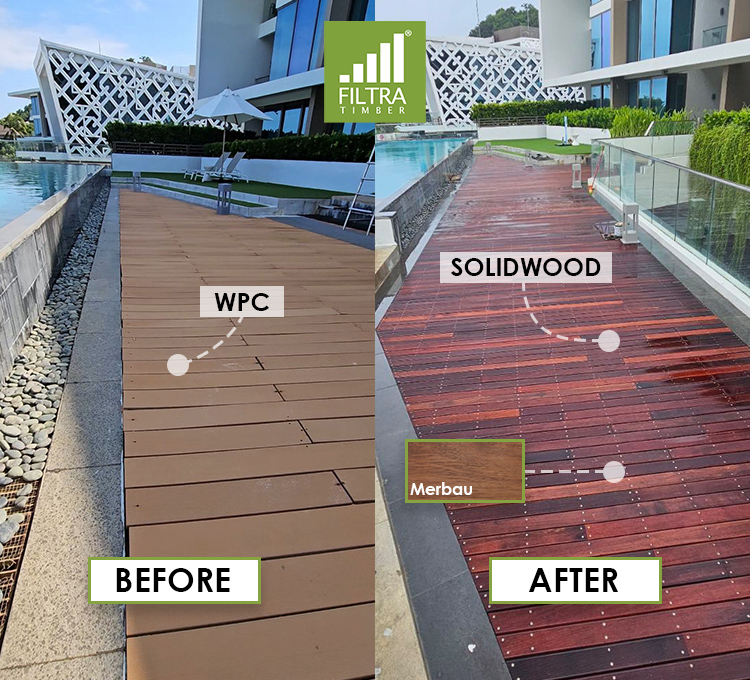
- WPC: Because it is infused with plastic (PVC or PE), WPC acts as a “heat sink.” It absorbs solar radiation and holds onto it, often becoming too hot to touch during midday.
- Solid Wood: Natural timber has a unique cellular structure that breathes. It stays significantly cooler than plastic-based composites, making it much more comfortable for families, pets, and barefoot walkers.
2. Maintenance-Free” vs. “Maintainable.”
The biggest selling point of WPC is that you never have to sand or oil it. But this is actually its greatest weakness.
- The WPC Problem: All materials eventually age. When WPC scratches, fades in the UV light, or warps due to humidity, there is no way to fix it. It is a “disposable” product. Once it looks bad, your only option is to rip it out and replace it.
- The Solid Wood Solution: Timber is maintainable. If your deck looks dull after five years, you can sand it down and refinish it. It’s like a high-end watch with a little care, it can be restored to “brand new” condition over and over again.
3. Aesthetics: Authentic Soul vs. Printed Patterns
- WPC: No matter how high the quality, WPC uses a repeating pattern. It is an imitation. Up close, it lacks the depth, soul, and variety of the real thing.
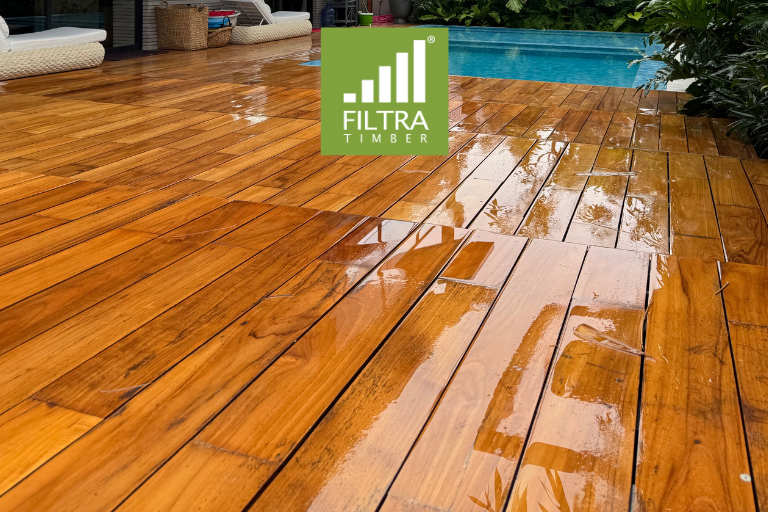
- Solid Wood: Every plank of FILTRA Solid Wood is a piece of art. The grain patterns and natural color variations create a “harmonious chaos” that feels organic and luxurious. It doesn’t just look like a deck, it feels like an extension of nature.
Why FILTRA Timber is the “Smart Money” Choice
In the Philippines, the source of your wood matters as much as the species. FILTRA Timber stands out because we don’t just sell you wood; we manage the lifecycle of your deck.
- FSC® & PEFC™ Certified: We ensure that your luxury deck doesn’t come at the cost of the environment. Our wood is harvested through responsible, sustainable forestry. Message us to learn more about our FSC® & PEFC™ Certified products.
- The Restoration Guarantee: We are unique because we offer professional supply and installation. We don’t just help you build your deck, we help you keep it beautiful for decades.
Check more of our decking projects here
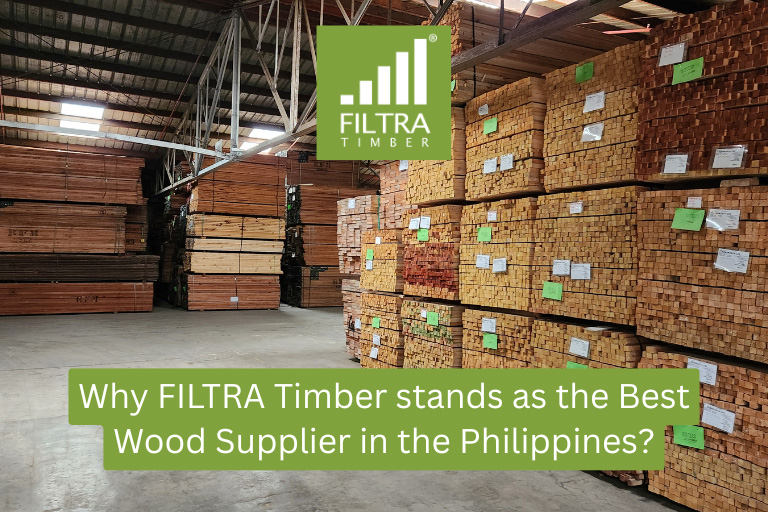
Why FILTRA Timber stands as the Best Wood Supplier in the Philippines
When you’re standing at the beginning of a construction or renovation project, the last thing you need is a headache from your material supplier. In a market flooded with options, the word “best” shouldn’t be about who has the biggest warehouse; it should be about who delivers without compromise.
For over two decades, FILTRA Timber hasn’t just been in the business; we’ve been setting the gold standard. We’re proud to distinguish ourselves not by sheer volume, but by the superior, lasting value we bring to every client, from architects to homeowners.
Here are the cornerstones that make FILTRA Timber the premier choice across the nation:
The Power of Immediate Service and Stock Reliability
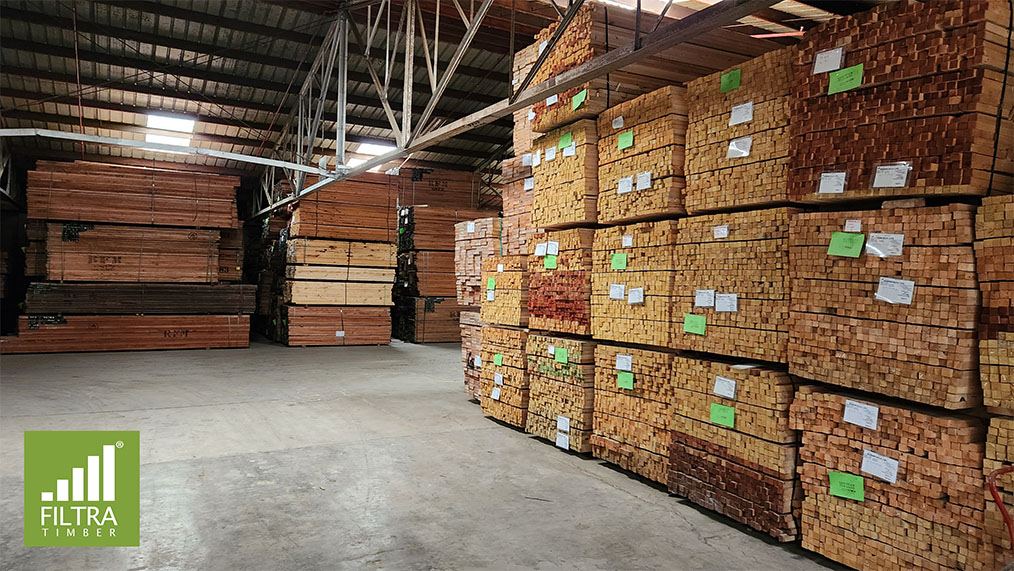
Project timelines are critical. Being the best means eliminating delays. Our robust inventory and streamlined logistics allow us to offer immediate delivery on many of our most popular lines.
When you contact FILTRA Timber, you’re connecting directly with a well-stocked supply chain ready to meet large-volume orders efficiently. Our operational reliability means you never have to put your construction schedule on hold waiting for materials.
Partnership Focused on Your Project’s Success
We view every transaction not as a sale, but as the start of a long-term partnership. Our commitment extends beyond the warehouse:
- Technical Guidance: Our experts provide necessary technical advice to ensure the correct wood species, size, and finish are chosen for your specific application, whether it’s high-traffic commercial flooring or custom residential stairs.
- Commitment to the Industry: We are constantly innovating and seeking materials that offerboth beauty and practical advantages.
For your next project, choose the best. Choose the supplier whose reputation is built on solid products, reliable service, and a partnership approach. Choose FILTRA Timber.
The Secret to Sustainable Structures? Japanese Cross-Laminated Timber is Finally in the Philippines
Japanese Sugi CLT — a Game-Changer for Philippine Construction
As a nation of builders, the Philippines is doing its best to keep up with its peers to balance the need to protect the environment while also keeping pace with constant innovation. But what if there’s a building material that could do both?
What is CLT?
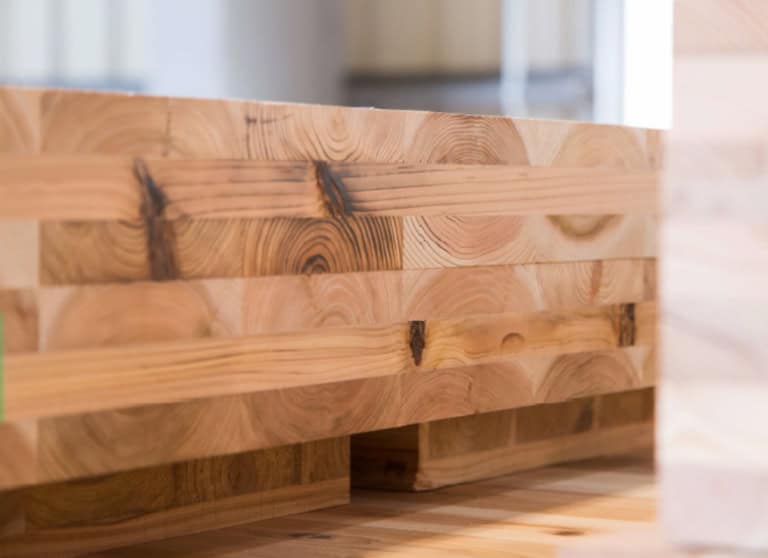
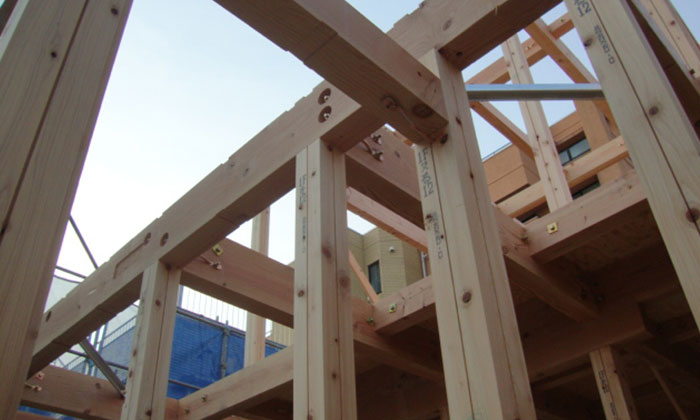
CLT, also known as Cross-Laminated Timber, is not just your average lumber. It is an engineered wood product that opens a new method of building.
Using versatile Sugi (Japanese Cedar), layers of solid wood planks are collected and glued together, allowing them to handle heavy loads. However, the reason for CLT’s incredible strength and stability lies in its “cross–lamination” technique, wherein each layer is placed at a right angle to the one below it.
This method makes CLT a powerful and sustainable alternative to traditional construction materials, such as concrete and steel. It’s wood but smarter.
Features of CLT (Cross-Laminated Timber)
- Fire resistance as the wood chars slowly, and the fire does not burn through
- Fast construction process
- Has a lighter building weight compared to RC structures.
- Low environmental impact
- Thermal insulation performance
Why is Japanese Sugi CLT Ideal for the Philippines?
Sustainability at its Core
For many years, Japan has been at the forefront of sustainable forestry. With the use of Japanese Sugi CLT, developers can reduce their projects’ carbon footprint while also contributing to the global push for a more sustainable future.
It also helps that Japanese Cedar (or Sugi) is abundant in Japan and is considered as a fast-growing timber species.
Lightweight Yet Strong
Although Sugi wood is relatively lightweight, it possesses an excellent strength-to-weight ratio once engineered into CLT. Thus, offering several advantages for Philippine construction like the following:
– Reduced foundation loads as lighter structures put less stress on foundations.
– Easier transportation and handling since lighter panels are easier to transport to congested urban areas.
– Faster Construction Times: Its large size allows quicker assembly on-site, significantly reducing construction time and labor costs.
Strong Performance Against Earthquakes:
Building earthquake-ready homes and offices is crucial in the Philippines, as it is located in an active seismic zone. Due to CLT’s flexibility and the way its cross-laminated layers distribute stress, CLT has an excellent proven record of resistance to earthquakes. It offers a safer building solution for interested Filipinos.
Thermal Efficiency and Comfort
Japanese Cedar is known for its good insulation properties, meaning that compared to concrete and steel, CLT offers a more superior thermal performance. Not only that, since wood is a natural insulator, Sugi’s features further enhance this benefit. This can lead to the following:
Reduced Energy Consumption – Lower reliance on air conditioning means utility bills would be reduced, and more energy would be saved.
Improved Indoor Comfort – Indoor temperatures would be more stable, and this creates a more comfortable living and working environment.
Durability and Resistance to the Elements:
For countries with a warm and humid tropical climate, such as the Philippines, termites are a common concern. One of the benefits of Japanese Sugi is that it has a natural resistance to decay and some insect pests compared to other softwoods. However, please note that no wood is fully resistant to termites. Despite its natural deterrence, it is crucial to emphasize the need for appropriate termite protection measures. This includes proper site preparation, physical barriers, chemical treatments, and design considerations.
FILTRA Timber Brings Sustainable Solutions to the Philippines
FILTRA Timber is committed to sourcing and supplying high-quality, sustainable timber products as part of its vision and mission. Among their many selections of lumber, FILTRA believed that Japanese Sugi CLT has a significant opportunity to revolutionize the Philippine construction industry once it is given a chance. It is a pathway that can lead to a greener, faster, and more resilient way to build.
FILTRA encourages developers, architects, engineers, and contractors in the Philippines to explore the potential of Japanese Sugi CLT for their future projects. It is possible to build the future naturally, one step at a time. Take your first step by using the strength and beauty of Japanese Sugi CLT.
If you’re interested in trying CLT, you may contact FILTRA Timber through info@filtratimber.com to learn more.
.
FSC® & PEFC™ CERTIFIED WOOD SUPPLIER IN THE PHILIPPINES
Sustainable Wood in the Philippines
At first glance, ‘sustainable wood’ might sound like a contradiction. After all, isn’t it still about cutting down trees? Ever thought, “How can I be so sure that the wood I bought was taken from a well-trusted source?” Well, that’s where the Forest Stewardship Council (FSC® ) (FSC® License Code: FSC-C111088) and the Programme for the Endorsement of Forest Certification™ (PEFC™) come in.
These two organizations act as third-party auditors that oversee forestry practices around the world. They ensure that logging companies make full use of each tree and that the surrounding environment remains protected and maintained to high standards. In this way, wood can be harvested responsibly. Yes, it still involves cutting trees—but when done correctly, and on a well-regulated schedule, sustainable forestry can minimize ecological harm and even support forest regeneration.
The Difference between FSC® and PEFC™
To give you some background, the FSC® and PEFC™ are both global non-governmental organizations that focus on sustainable forestry. Although they have the same goal in mind, there are still some differences between the two certifications.
FSC® follows 10 sets of principles as their basis for considering whether a forest is environmentally appropriate, socially beneficial, and economically viable or not. FSC® was also originally established to combat illegal logging in tropical areas
On the other hand, the PEFC™ was created to manage the proper handling of forestry management in temperate regions like Europe and North America. It’s more of a mutual recognition of a country’s scheme on how to observe sustainability rather than a standard.
Where to Get FSC® and PEFC™ Certified Wood in the Philippines —Filtra Timber
Fortunately, the Philippines is not so far behind in this movement of sustainability. A few companies now offer wood plastic composite (WPC), and stone plastic composite (SPC) as alternatives for the Filipino consumers’ desire for wood. Given that they come from recycled wood materials, it is an admirable step in the right direction!
However, there is still only one local timber trading company in the country who has FSC® and PEFC™ certification—FILTRA Timber.
FILTRA Timber is a lumber company established by Per Stangegaard in the 2000s, and since then, they’ve provided a diverse global selection of sustainable wood in the Philippines. Following the logging ban in the Philippines, consumers would need to look for acceptable substitutes. Luckily, FILTRA offers a large variety of wooden species that include premium international alternatives to our local favorites.
FSC® and PEFC™ Certified Products offered by FILTRA Timber
Given FILTRA’s wide range of products, interested clients would usually need to message them to know what certified products they have available. As of this writing, these are the FSC® and PEFC™ certified wood species that FILTRA has in stock:
- Rough Sawn Ash (FSC® 100%)
- Unedged Ash (FSC® 100%)
- Rough Sawn Beech (FSC® 100%)
- Rough Sawn Eucalyptus Grandis (FSC® 100%)
- Unedged Lime (FSC® 100%)
- Rough Sawn Oak White (FSC® 100% & 100% PEFC™)
- Rough Sawn Poplar (FSC® 100%)
- Rough Sawn Teak (FSC® 100%)
- Rough Sawn Thermo Wood (100% PEFC™)
For more information on the other wood species and products we can supply, you can check the following links: Full list of FILTRA FSC® products and Full list of FILTRA PEFC™ products.
Now that you’re more informed, consider checking if the lumber you’re buying is FSC® or PEFC™ certified so you know that it’s harvested responsibly. And if you decide to contact FILTRA Timber, you can rest assured you’re in good hands!
Contact Us
Office / Warehouse
77 Patiis Road Brgy. Guinayang, San Mateo Rizal, 1850 Philippines
(+632) 8570-5750 (+632) 8254-9915 (+632) 8254-9917 (+632) 8254-7040 (+63) 917-622-2640 (+63) 917-705-7857
Makati Showroom
Penthouse 5F Yupangco Building , Makati City, 1209 Philippines
(+632) 8478-6888 (+632) 8478-6688 (+632) 8478-8866