
Tradition Meets Tech: FILTRA Timber Launches “Tim the Tarsier,” a 24/7 AI Wood Expert When you think of a heavy, traditional industry like timber and lumber distribution, artificial...
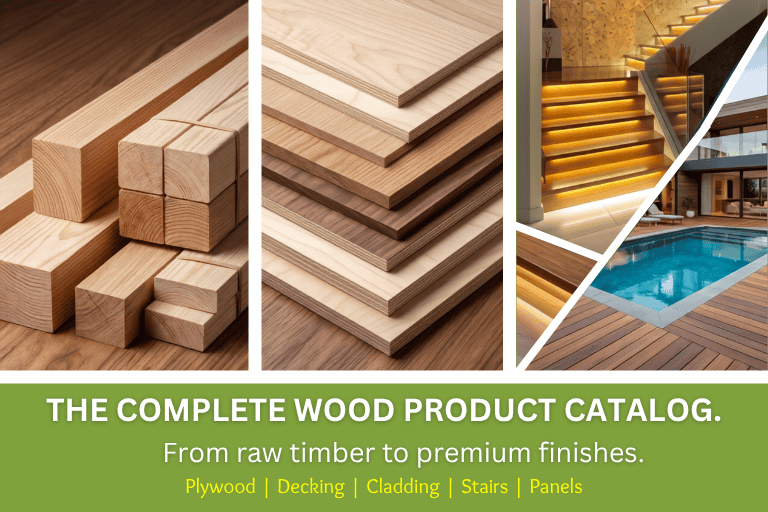
Beyond Lumber: Discover the Full Range of Timber Solutions at FILTRA Timber When many people think of FILTRA Timber, they immediately think of our high-volume raugh sawn lumber inventory. While...
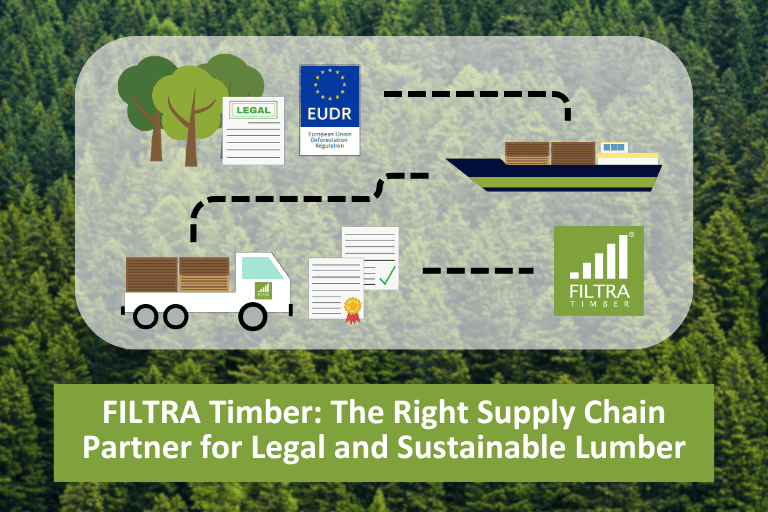
Navigating the EUDR: How FILTRA Timber Can Help Furniture Makers on This Shift For world-class furniture exporters, staying ahead of international regulatory standards is a constant necessity. As...
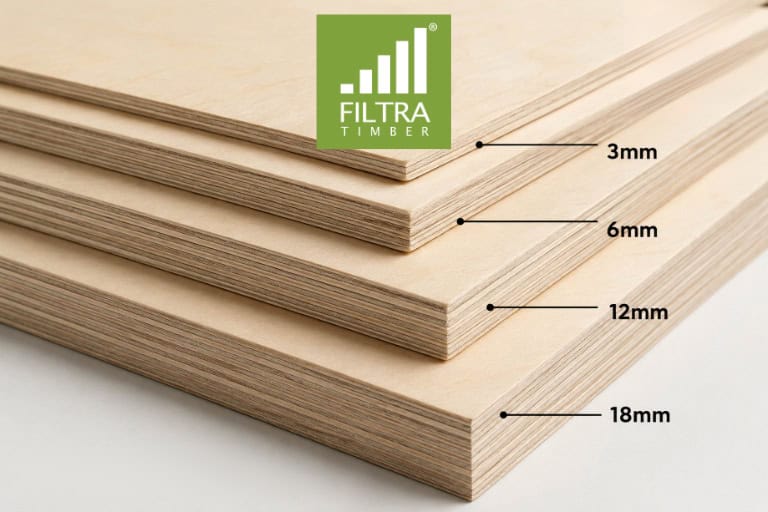
Why FILTRA Timber Birch Plywood Is a Game Changer? Not all plywood is created equal. While the market is flooded with low-grade alternatives, FILTRA Timber Birch Plywood stands apart — offering a rare...
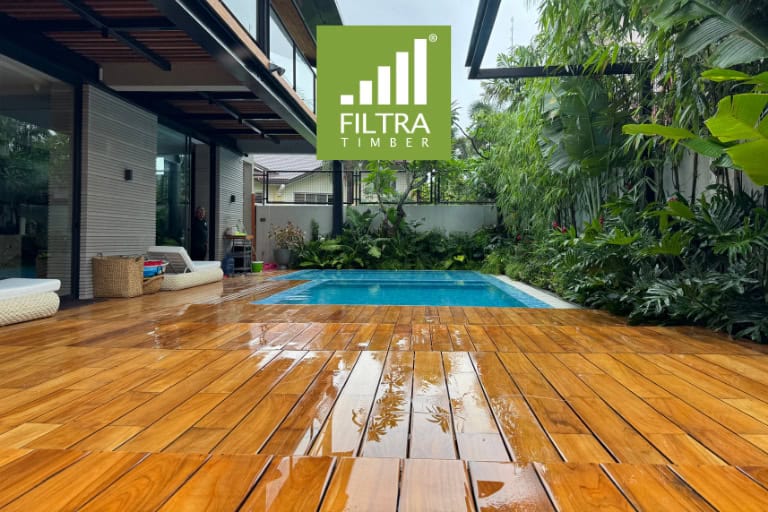
Why FILTRA Timber Decking is the Right Choice for the Philippine Climate In the Philippines, our outdoor spaces are more than just additions to a home, they are sanctuaries for relaxation and hosting...
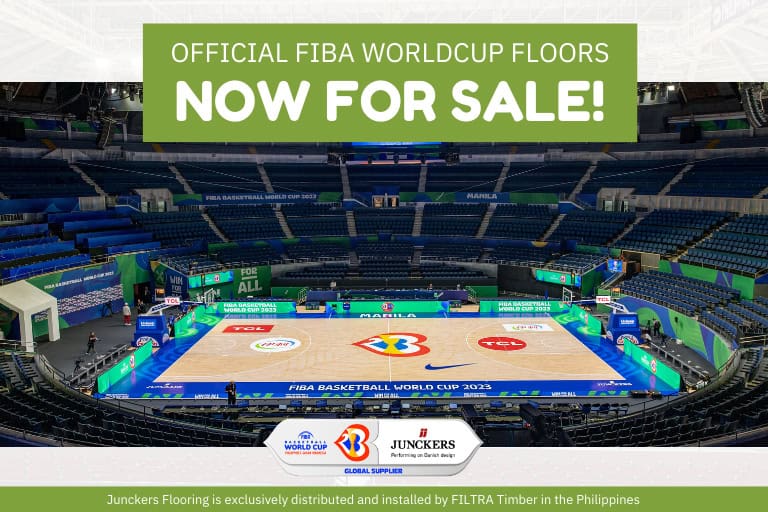
Official 2023 FIBA World Cup Floors from the Philippine Arena & MOA Arena Now for Sale! For the first time ever, FILTRA Timber is offering an exclusive opportunity to own a piece of basketball...
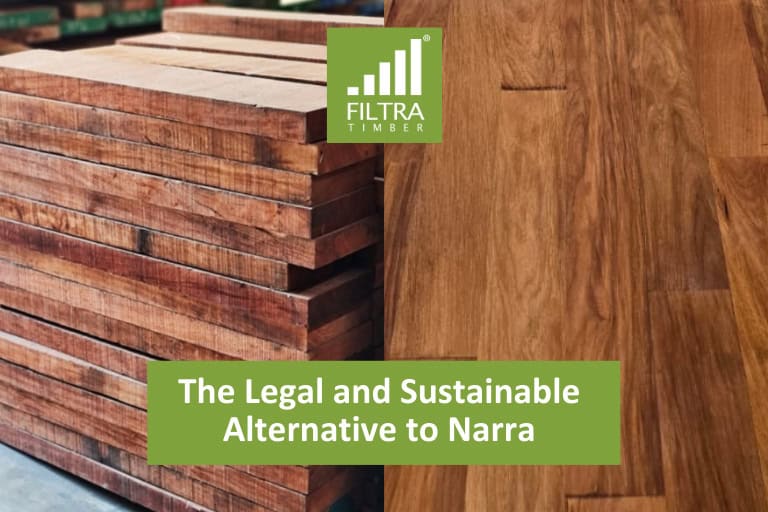
Looking for Narra? Here is the Legal, Sustainable Alternative For Filipino homeowners and architects, Narra is more than just wood; it is the gold standard. Known for its deep golden-red hues...
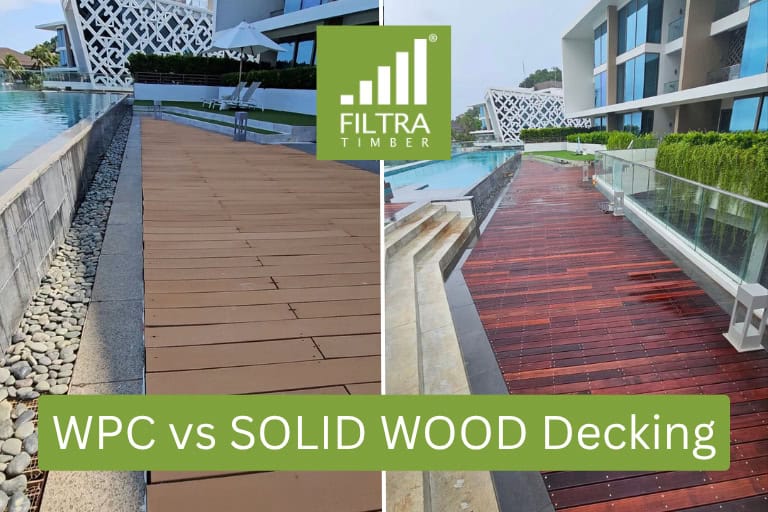
Why WPC “Maintenance-Free” Claims Often Cost You More When planning a tropical outdoor space, the first big decision is the most critical: What material will survive the Philippine sun and...
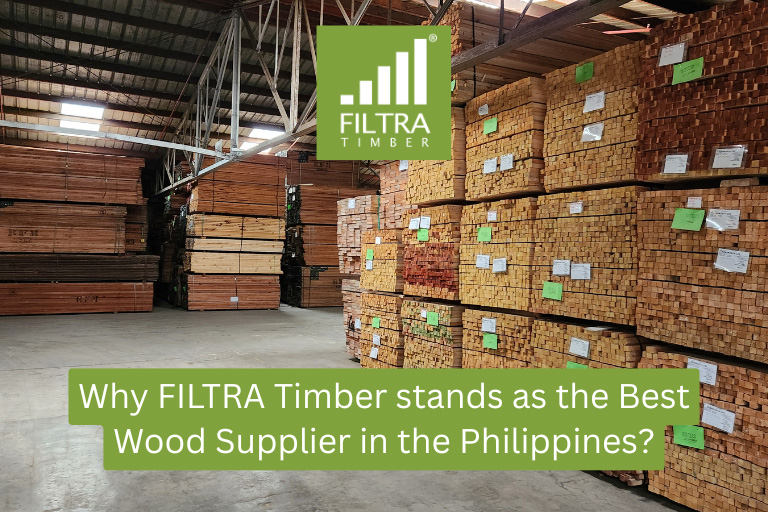
Why FILTRA Timber stands as the Best Wood Supplier in the Philippines When you’re standing at the beginning of a construction or renovation project, the last thing you need is a headache from...
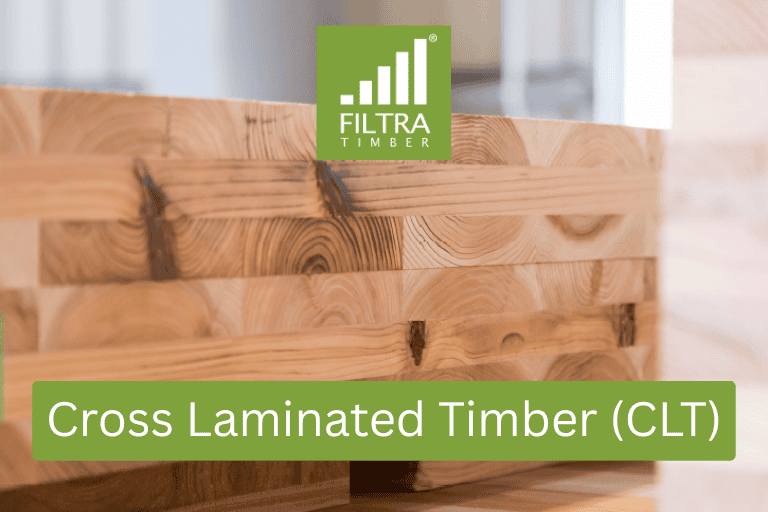
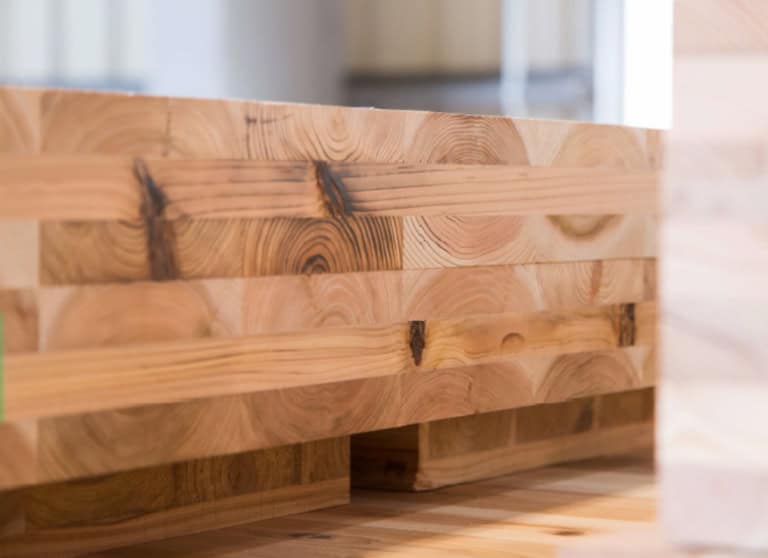
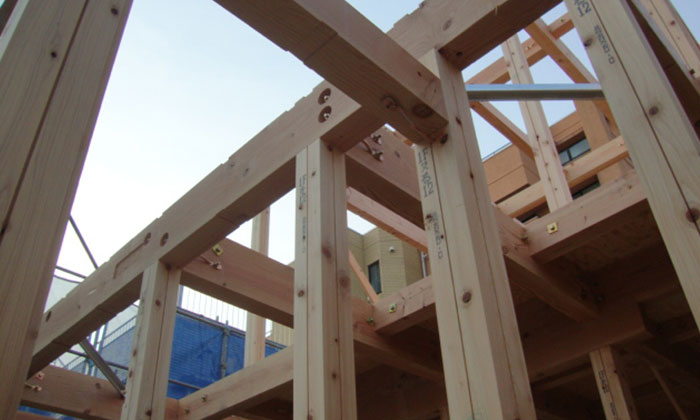
The Secret to Sustainable Structures? Japanese Cross-Laminated Timber is Finally in the Philippines Japanese Sugi CLT — a Game-Changer for Philippine Construction As a nation of builders, the...
FSC® & PEFC™ CERTIFIED WOOD SUPPLIER IN THE PHILIPPINES Sustainable Wood in the Philippines At first glance, ‘sustainable wood’ might sound like a contradiction. After all, isn’t it...
FILTRA Timber: The most complete timber supplier in the Philippines Despite the Philippines’ abundance of natural beauty and skilled craftsmanship, finding the perfect wood for your project can be a...
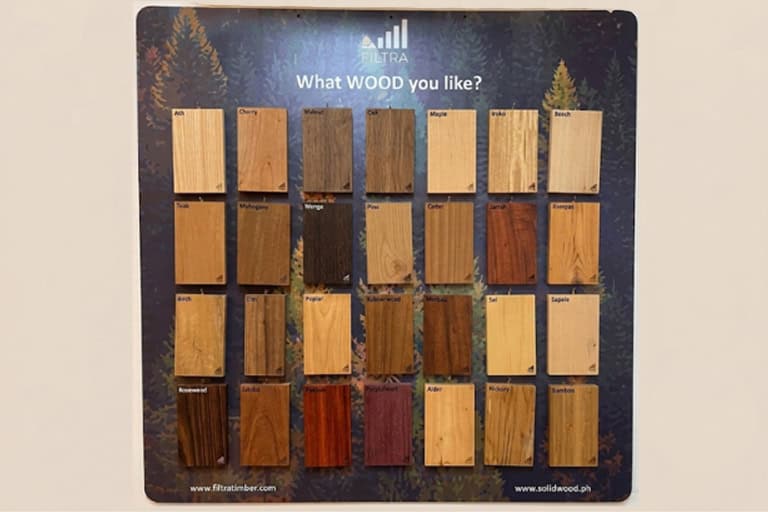
Philippine Wood vs Sustainable Imported Wood Philippine wood species versus legal and sustainable imported wood Logging in the natural forests of the Philippines has been banned for more than 20 years...
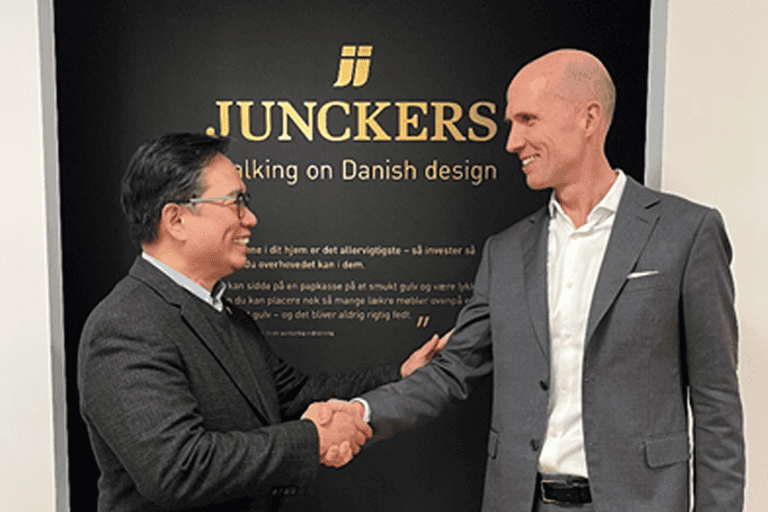
FIBA World Cup brings Philippine Ambassador to Danish floor manufacturer : ‘Junckers impressed me’ The Philippine Ambassador to Denmark, Leo Herrera-Lim, (in the middle) getting a tour of the factory...
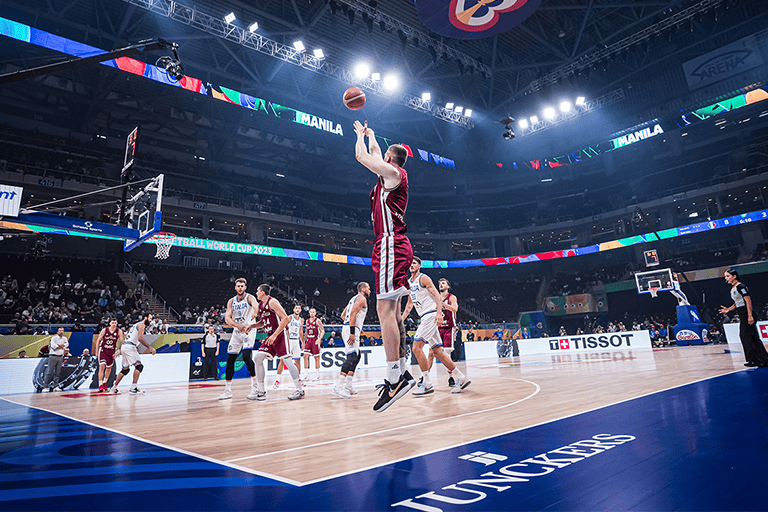
FIBA 2023 with Sports Flooring Partners in the Philippines A truly global event, the 2023 FIBA Basketball World Cup will be held in August of 2023 in the Philippines, Indonesia, and Japan. As the...